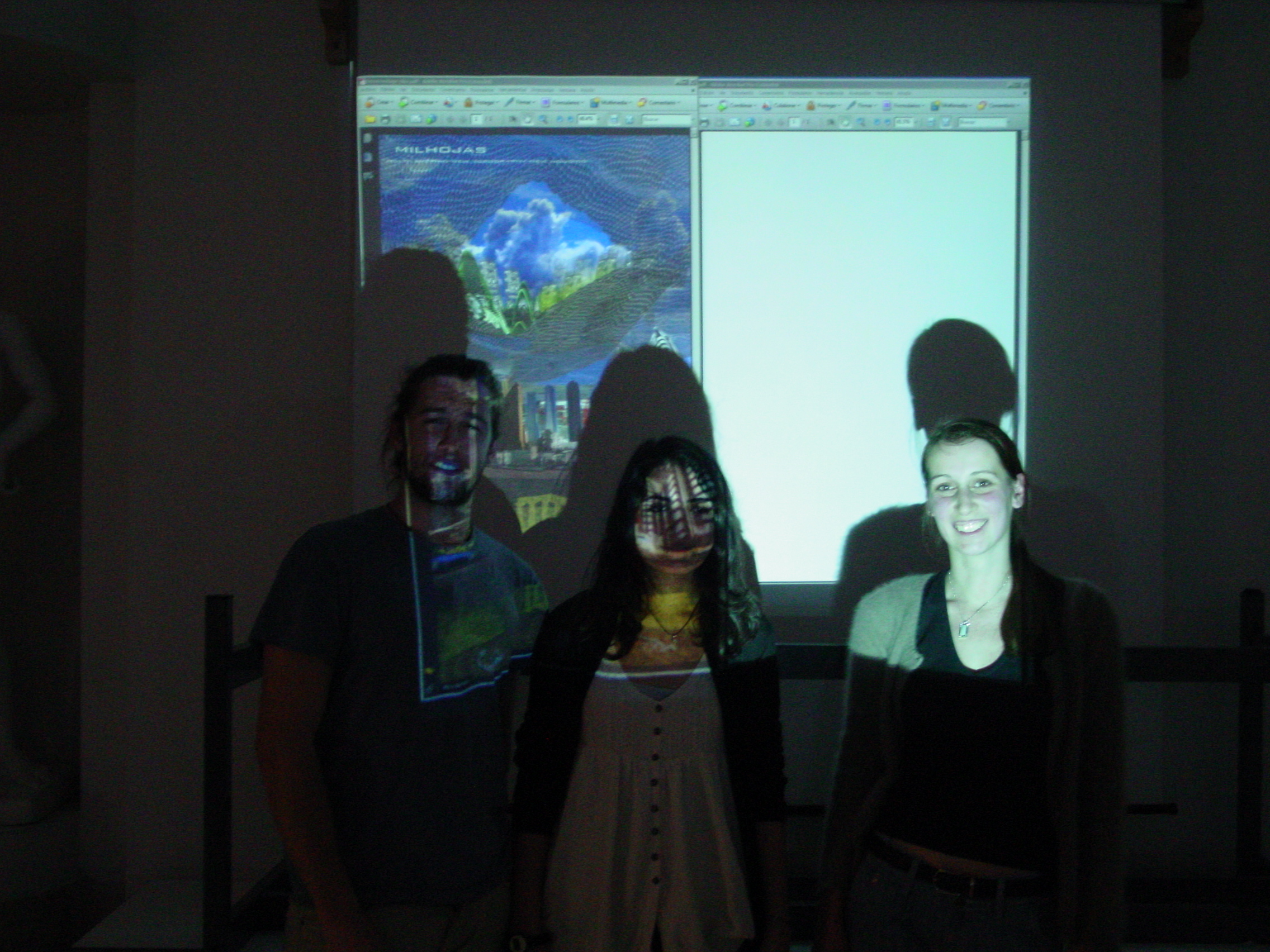
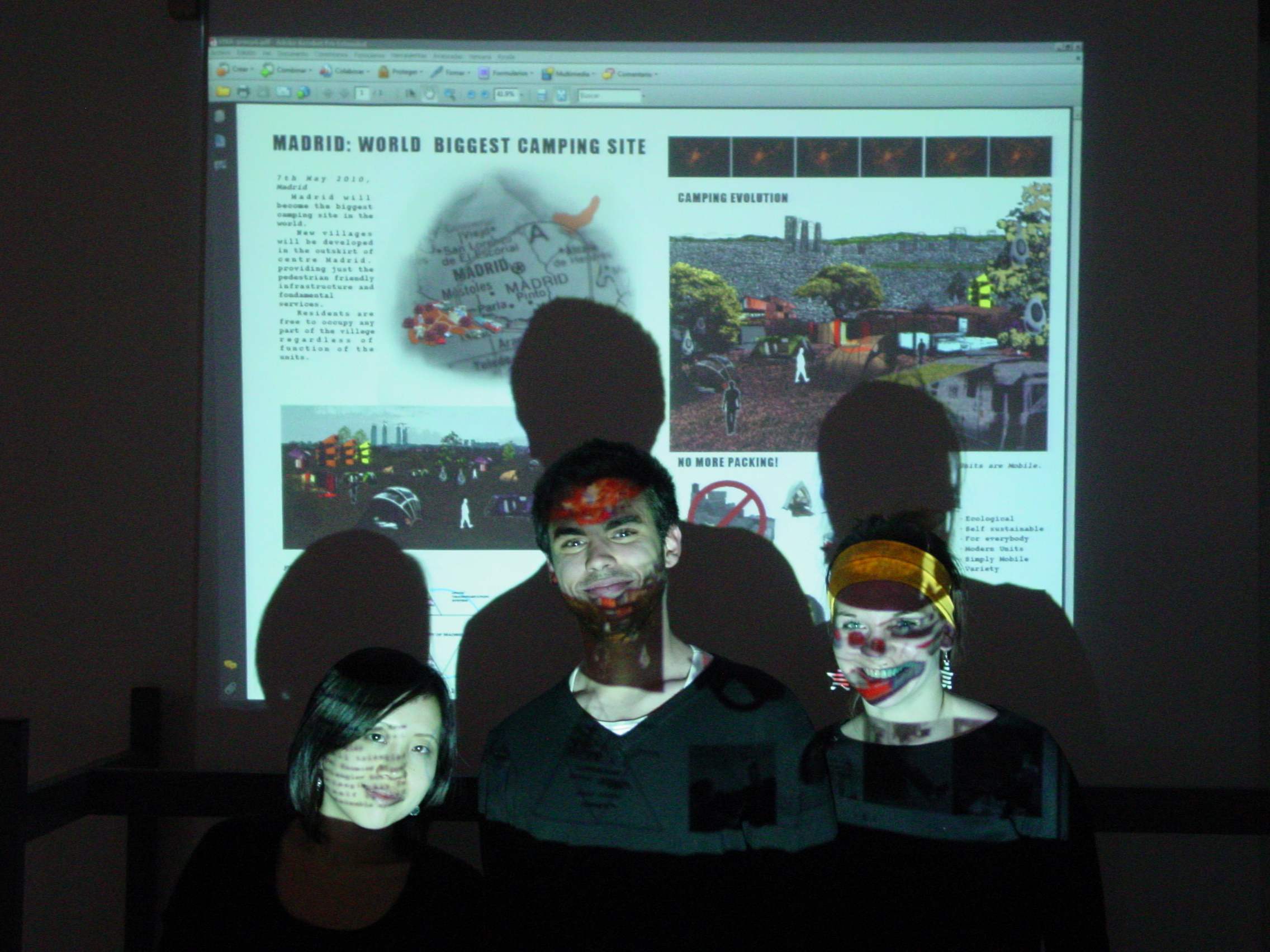
1st day
Perfilado de sección
-
-
10:30-11:30, Introduction to the course and competition brief: presentation of the course, the professors and working groups of students.
Introduction
Drawing as an action joined to architectural project has two different roles concerning to the successive stages of the process.
- The first role of drawing in architectural conception, as a continuous search to materialize conceptually the own event.
- The other role in a second phase when drawing has to describe an object, once it is defined and one has decided to stop the changing process steps.
We could say, that in architecture, the built object is – in the limit – a representation of the drawing; while drawing merely presents.
However, Architecture History would not be complete, if we didn´t take account of all those projects that haven´t been built, and most of them come from competitions.
Once object is built, the architecture becomes part of a whole body of interpretation outside the architects control. But before all, the architect has to persuade in order that the object can be built: the rhetorical aspect is intrinsic to the design process. Any level of presentation – images and text – involve a purposeful and persuasive argumentative discourse in which the architect deliberately attempts to bring others round to a particular way of thinking.
The Architectural Competition is the most symbolic way in which society chooses the built form of the future and it is also a necessary way to establish the profession free from direct connections with patrons.
Material from competitions can be used to analyze the changes in architectural values of a particular period of time and the rhetorical set offers the opportunity to investigate the relationships among architectural designs, the text about them and their graphic expressions.
Contents
Four days continous action to cover the whole process of generating a proposal for an architecture competition and state clearly all the stages from the initial searching rough drawings to the analysis of final material taken as a rhetorical set to investigate the relationships among architectural designs, the text about them and their graphic expressions.
Case of study
SIKA Competition 2010.
Educational Method and assignments schedule.
Unit divided in five phases ( one phase each day):
1. First stage (Monday).
Searching and Approaching level./assignment 12. Second stage (Tuesday)
Generating proposals: choosing and developing one./ assignment 23.Third stage (Wednesday)
Fixing and Representing the proposal./assignment 34. Fourth stage (Thursday)
Preparing the panels.
Competition, assesment and Criticism of submitted proposals./assignment 4The formation of the groups is done following the criteria of mixing all the students, trying not to have more than one student in the group of a certain country. We try to maximizate the communication between the different members of the teams in order to relations.




Competition brief (PDF)
11:30-13:30, Work in class: strategies for approaching a project in a short period of time from a great number of different points of view attending a lot of scattered variables, by using tracing paper to draw sketches on them.
13:30-14:30, LUNCH
14:30-15:00, Inspiration shoot: a new stimuli formed by 10 strong images not direclty related to an architecture field but being connected to collective life.
-